The Annapurna region is Nepal's most diverse trekking destination. It contains more trail variety, more cultural depth, and more landscape range than any other region in the country — and it is where we have built some of our most distinctive experiences.
What makes the Annapurna region different
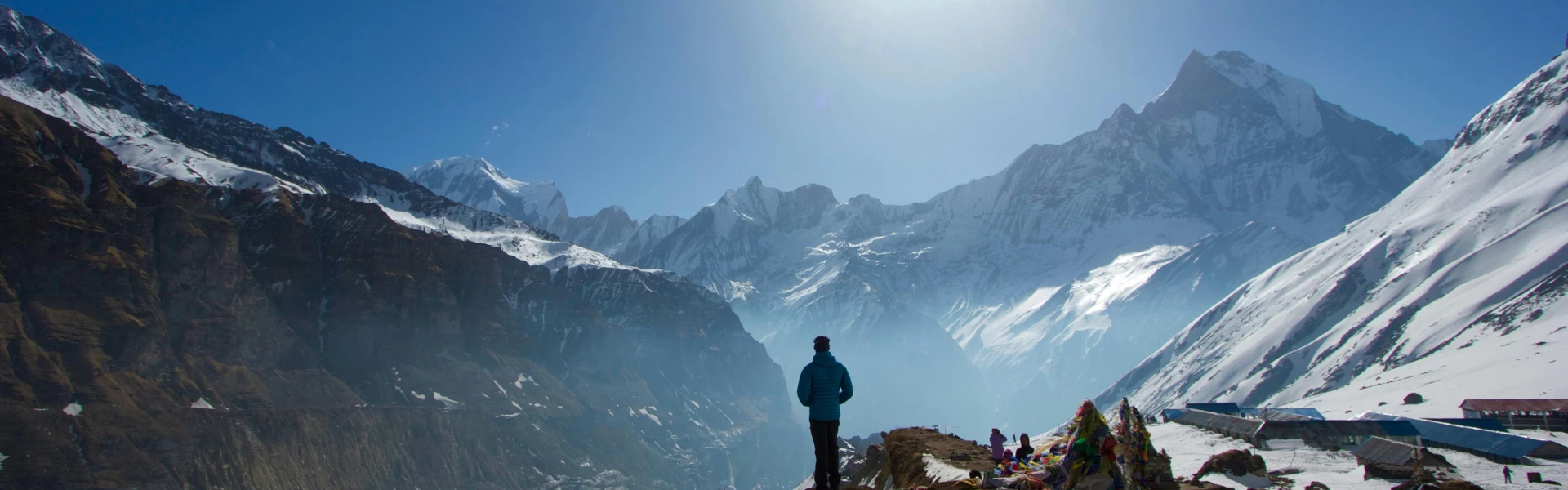
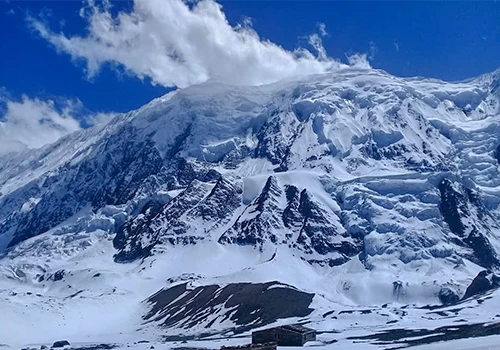
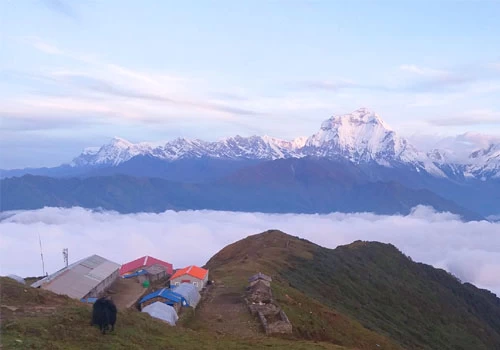
The Annapurna massif contains the world's tenth-highest mountain, Annapurna I at 8,091 metres, and thirteen peaks above 7,000 metres. The landscape shifts dramatically as you move through the region — subtropical forests in the south, alpine terrain in the high passes, and the arid Trans-Himalayan plateau of Upper Mustang in the north.
The cultural range is equally striking. Gurung and Magar communities in the southern foothills, Thakali people in the Kali Gandaki valley, and Tibetan-influenced communities in the high north. Each has a distinct language, architectural tradition, and relationship with the land.
The Annapurna Conservation Area — the largest protected area in Nepal at 7,629 square kilometres — protects this range from the lowlands to the peaks. It is managed with a conservation fee that directly benefits local communities.
The Annapurna trails — what each one offers
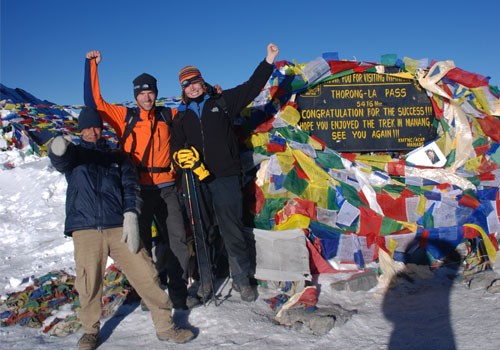
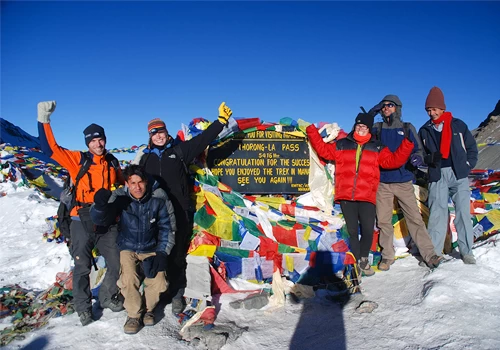
Annapurna Circuit 14 days — the classic long route, crossing the Thorung La Pass at 5,416 metres. The most geographically varied trek in Nepal, moving from tropical lowlands through alpine terrain to the Trans-Himalayan plateau. Note that road construction has shortened the traditional walking sections on the western side — the eastern sections and the Thorung La crossing remain completely intact.
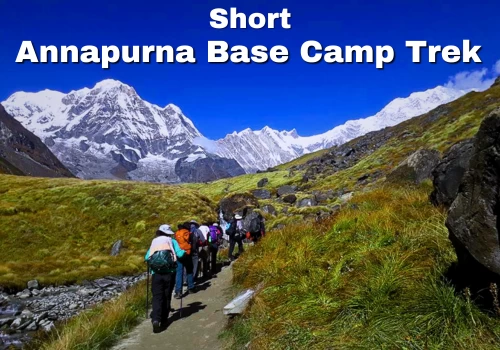
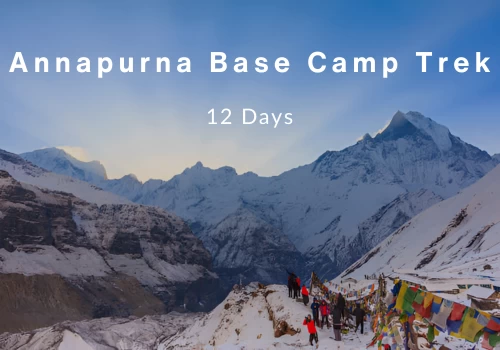
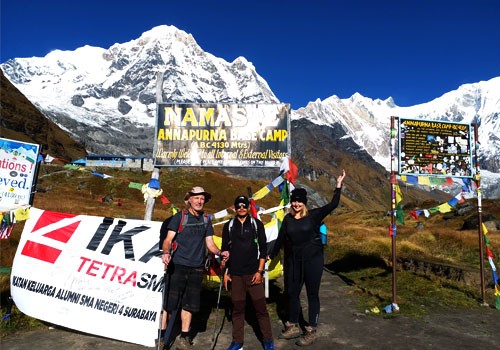
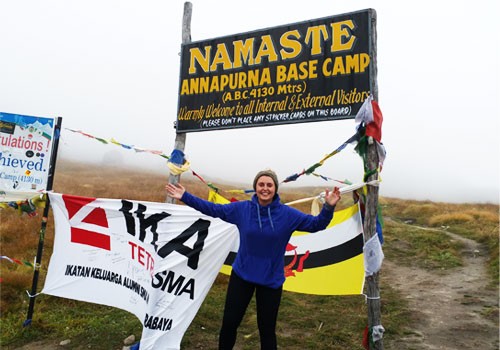
Annapurna Base Camp 12 days — a more focused route into the Annapurna Sanctuary, a natural amphitheatre ringed by thirteen Himalayan giants. Reaches 4,130 metres. Excellent for trekkers who want dramatic mountain scenery without the long commitment of the full circuit.
Annapurna Heritage Trail (customise) — our most distinctive Annapurna product. This trail runs through villages that the main trekking crowd does not reach. Communities where life operates on its own terms. The mother is carrying her child the old way. The farmer is turning the field the old way. Nobody has adjusted anything for your arrival. We pair this with lodges that understand what the walk is about.
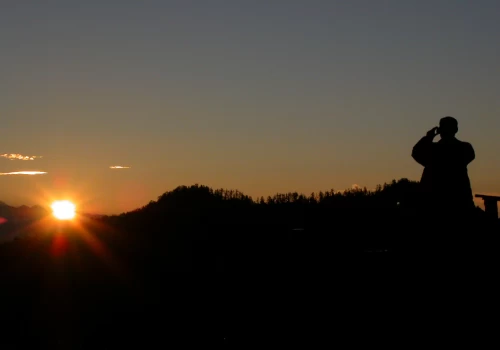
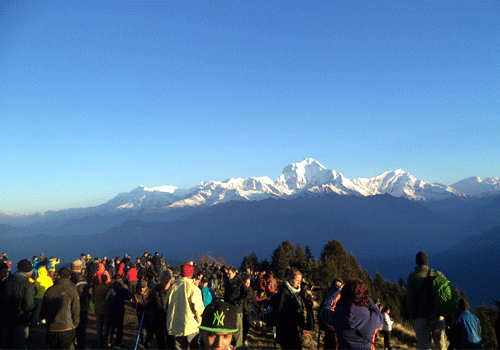
Poon Hill — Nepal's most famous sunrise viewpoint at 3,210 metres. A 4-5 day walk accessible to most fitness levels. The pre-dawn summit delivers a panorama of Dhaulagiri, Annapurna South, and Machhapuchhre that is simply one of the great views on earth.
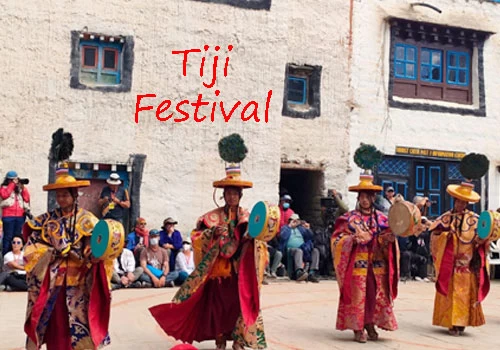
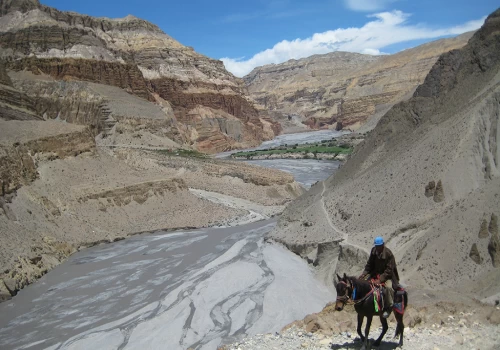
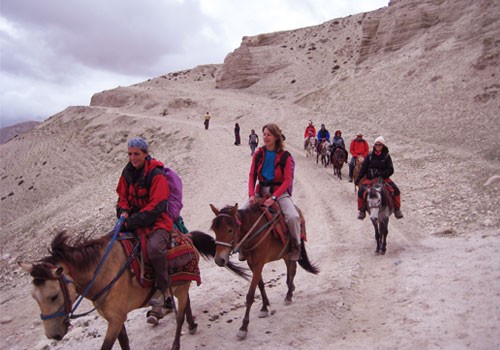
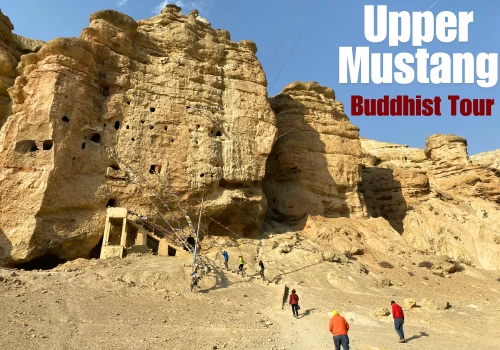
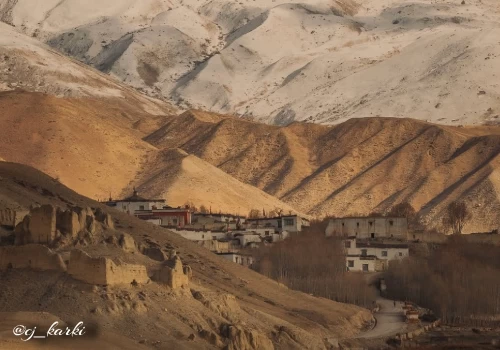
Upper Mustang — the former forbidden kingdom, opened to trekkers only in 1992. A restricted area requiring a special permit. The landscape is completely unlike the rest of Nepal — dry, high, carved by wind into ochre cliffs and ancient cave dwellings. Deeply Tibetan in culture and appearance. One of the most extraordinary places in Nepal for the trekker who has seen the standard routes.
Who the Annapurna region is right for
The Annapurna region suits almost every type of trekker because the range of trails is so wide. First-timers find Poon Hill accessible and rewarding. Experienced trekkers find the circuit and Upper Mustang genuinely challenging and culturally rich. Trekkers seeking something completely off the main tourist circuit find the Heritage Trail delivers exactly that.
If you want cultural depth alongside mountain scenery, the Annapurna region offers more than the Everest region. The communities here are more varied, the trails more diverse, and the landscape more layered.
Annapurna vs Everest region — the honest comparison
Everest has one primary draw — the mountain and the Sherpa culture around it. That drawing is powerful and specific. Annapurna offers more variety but less singular focus. If Everest is the reason you are going, go to Everest. If the trekking experience itself — the landscape, the culture, the trail — is the reason, Annapurna gives you more to work with.
Best time to trek in the Annapurna region
Spring (March to May) and autumn (September to November) are the primary seasons. The Annapurna region's lower altitude and more southerly position mean it is accessible in winter for lower trails like Poon Hill. The Heritage Trail in particular offers excellent shoulder season trekking — fewer other trekkers, full community life visible.
Upper Mustang sits in a rain shadow and can be trekked during monsoon (June to August) when the rest of Nepal is wet — one of its distinctive advantages.
See all our packages, or contact us to build your custom itinerary.