The Everest region is the most famous trekking destination on earth. That fame is entirely justified — and it comes with consequences worth understanding before you book.
This guide covers what makes the Khumbu genuinely extraordinary, who it is right for, how it compares to Nepal's other major trekking regions, and how to choose the right trail for your fitness level and experience.
What makes the Everest region different
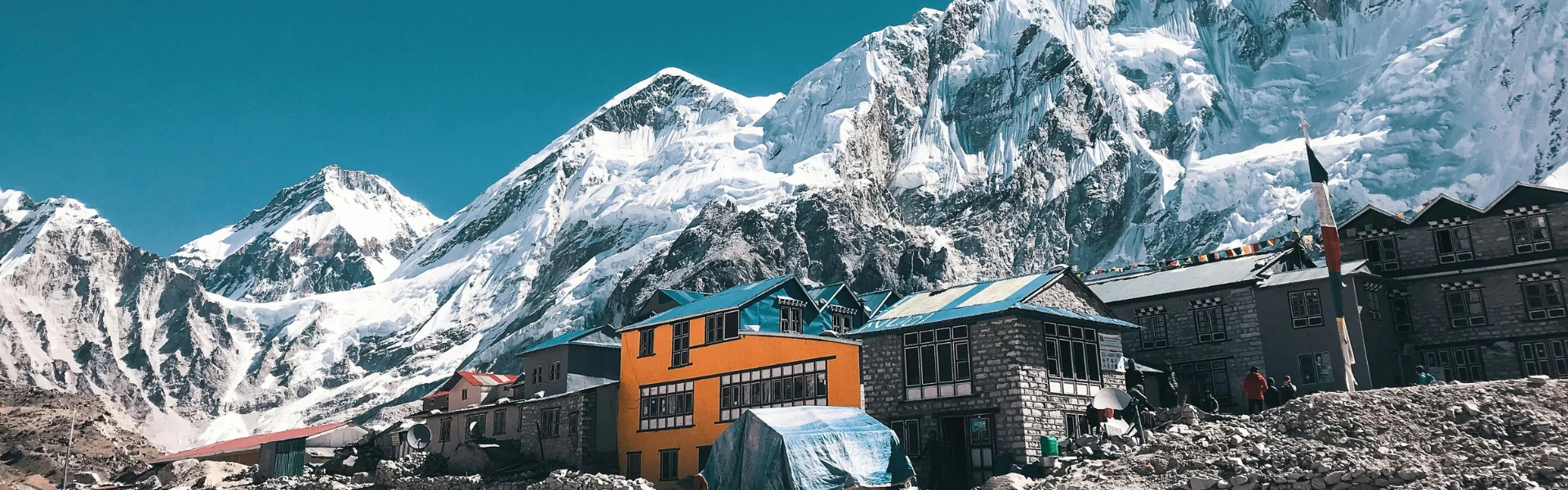
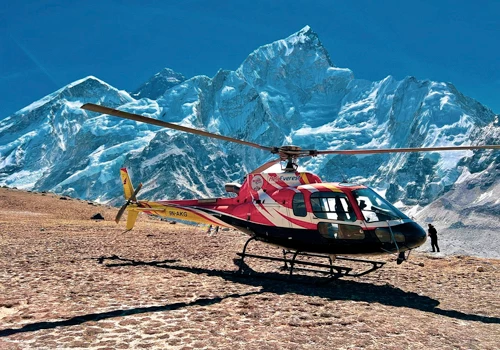
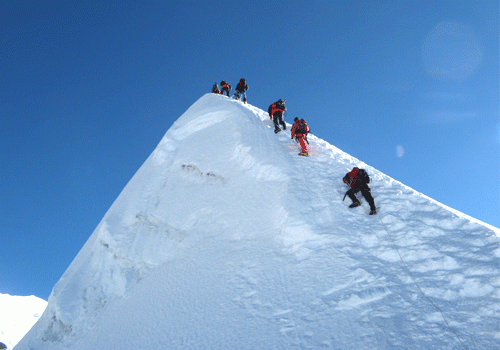
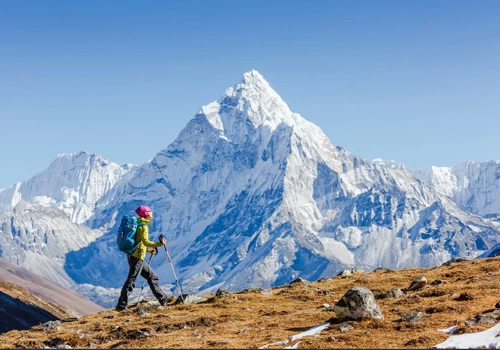
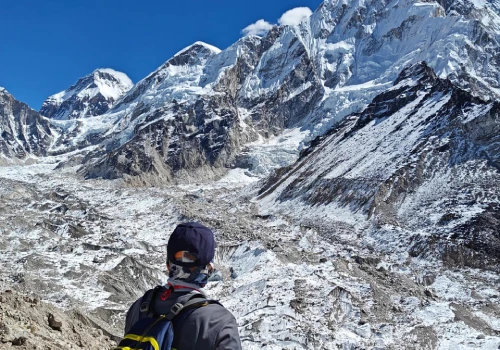
The Khumbu is built around a single magnetic fact: Mount Everest stands at 8,848 metres and is visible from multiple points on the trail. No other trekking region in the world offers proximity to the world's highest mountain. That pull is real, and it is enough reason to come.
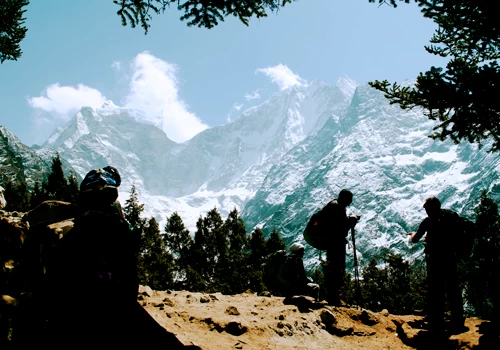
Beyond Everest itself, the region sits entirely within Sagarmatha National Park — a UNESCO World Heritage Site covering 1,148 square kilometres of rugged valleys, alpine forests, glaciers, and icefalls. The Sherpa communities of Namche Bazaar, Tengboche, and the villages along the Dudh Koshi river are among the most genuinely welcoming in Nepal. Their Buddhist culture, their relationship with the mountains, and their history of mountaineering are woven into every day on the trail.
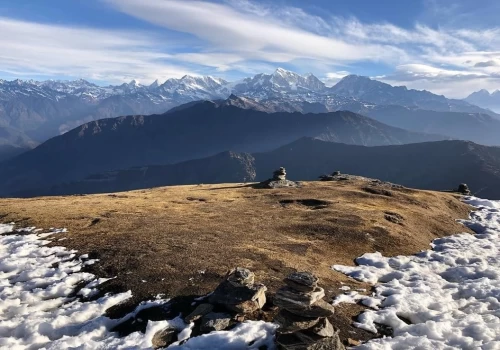
The region also offers more trekking variety than most people realise. Everest Base Camp is the flagship, but Gokyo Lakes, the Three Passes, and the route via Pikey Peak all offer entirely different experiences within the same general area.
Who the Everest region is right for
The Everest region suits you if Everest itself is the reason you are going. If the name carries weight for you — if you have spent years thinking about standing at the foot of the world's highest mountain — this region delivers exactly what it promises.
It is also the right choice if this is your first serious high-altitude trek. The trail infrastructure is the best in Nepal. Namche Bazaar has medical facilities, reliable WiFi, ATMs, and teahouses with extensive menus. If something goes wrong, help is close.
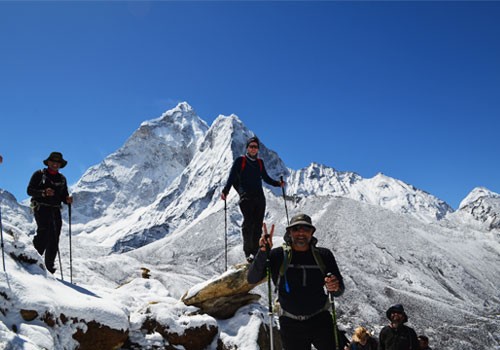
It suits trekkers of most fitness levels who are willing to prepare properly. You do not need mountaineering experience. You need three months of consistent fitness training, a reasonable tolerance for altitude, and a guide who monitors your acclimatisation properly.
Who should consider other regions instead?
If you are looking for solitude, raw culture, and trails that have not been built around mass tourism, Manaslu or Langtang will serve you better. Namche Bazaar is now a full-service town with Irish pubs and European bakeries. The lower trail sections see up to 500 trekkers per day at peak season. This is genuinely useful infrastructure — but it is not untouched Nepal.
If you want dramatic mountain scenery without Everest crowds and with significantly more cultural depth, the Annapurna region offers routes like the Heritage Trail that operate at a completely different pace.
Trails in the Everest region — a quick comparison
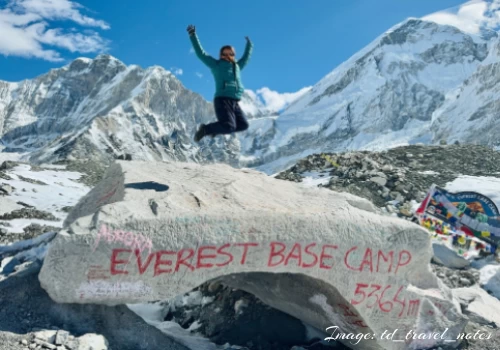
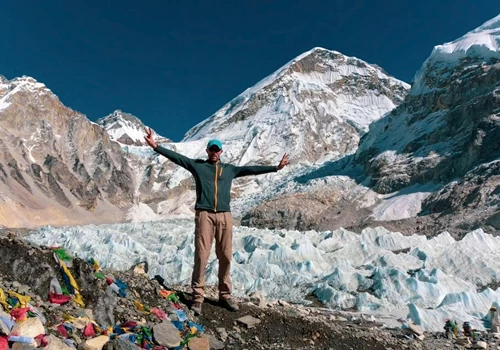
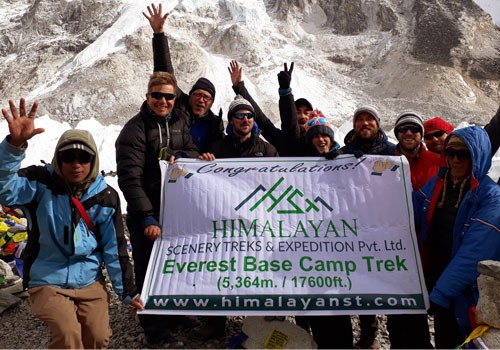
Everest Base Camp 15 days — the classic. Full Khumbu experience, proper acclimatisation, Sherpa cooking class in Namche, monk session at Tengboche. Best for most trekkers.
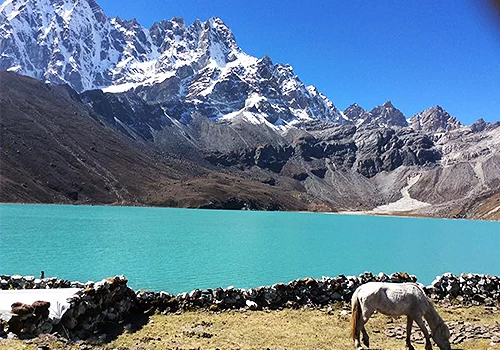
Gokyo Lakes 10 days — fewer crowds than the EBC main route, stunning turquoise lakes at altitude, Gokyo Ri viewpoint rivals Kala Patthar. Better for experienced trekkers who want something less trafficked.
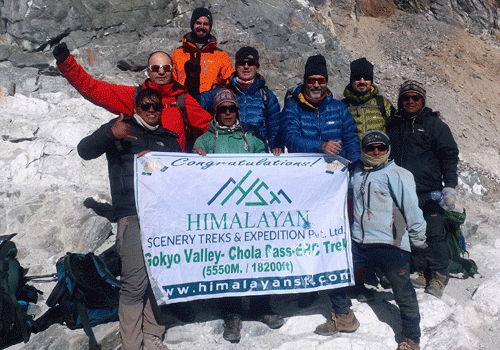
Three Passes 17 days — the most demanding Everest region circuit, crossing Kongma La, Cho La, and Renjo La. For fit, experienced trekkers who want the complete Khumbu.
Short Everest View Trek 4 days — reaches the Everest View Hotel at 3,962 metres without committing to the full Base Camp. Best for trekkers with limited time or those testing altitude for the first time.
Luxury EBC Trek — private guide, Yeti Mountain Home lodges, cooking class in Namche, private monk session at Tengboche, completely your own schedule. For trekkers who want the full Khumbu experience without group timetables.
Best time to trek in the Everest region
Spring (March to May) and autumn (September to November) are both excellent. Spring brings rhododendrons in bloom on the lower trail and the clearest skies of the year. Autumn offers stable weather and exceptional mountain visibility. Both seasons are busy — October in particular sees the highest trail traffic.
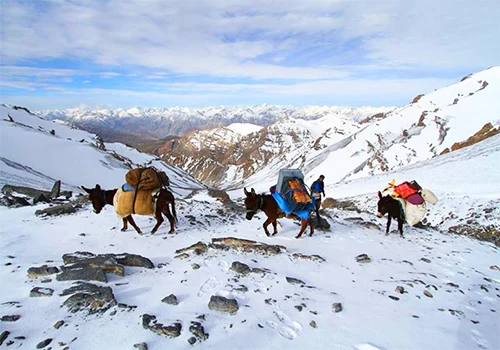
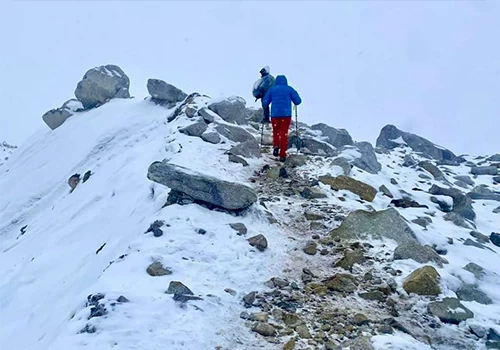
Winter (December to February) is cold but possible for experienced trekkers who accept the conditions. Lodges above Tengboche may be closed. Summers bring monsoon clouds and rain — Everest itself is typically hidden from view.
Difficulty and preparation
The Everest region requires genuine physical preparation. Maximum altitude at Kala Patthar is 5,644 metres — higher than any point in the Alps. Daily walking averages five to six hours on rough terrain. Altitude sickness is the primary risk, managed through proper acclimatisation days built into the itinerary.
Prepare with three months of regular cardio training, long walks carrying weight, and stair climbing. If you exercise regularly, you can do this. If you are currently sedentary, start immediately.
Ready to trek the Everest region? See all our packages, or contact us to build a custom itinerary.