
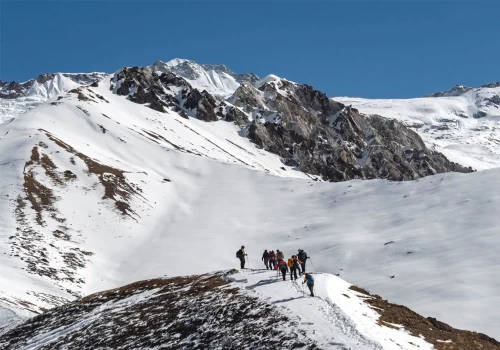
Langtang is the closest major trekking region to Kathmandu — four to five hours by road — and consistently the most underrated. Trekkers who come here expecting a consolation prize for not doing Everest or Annapurna leave surprised.
What makes the Langtang region different
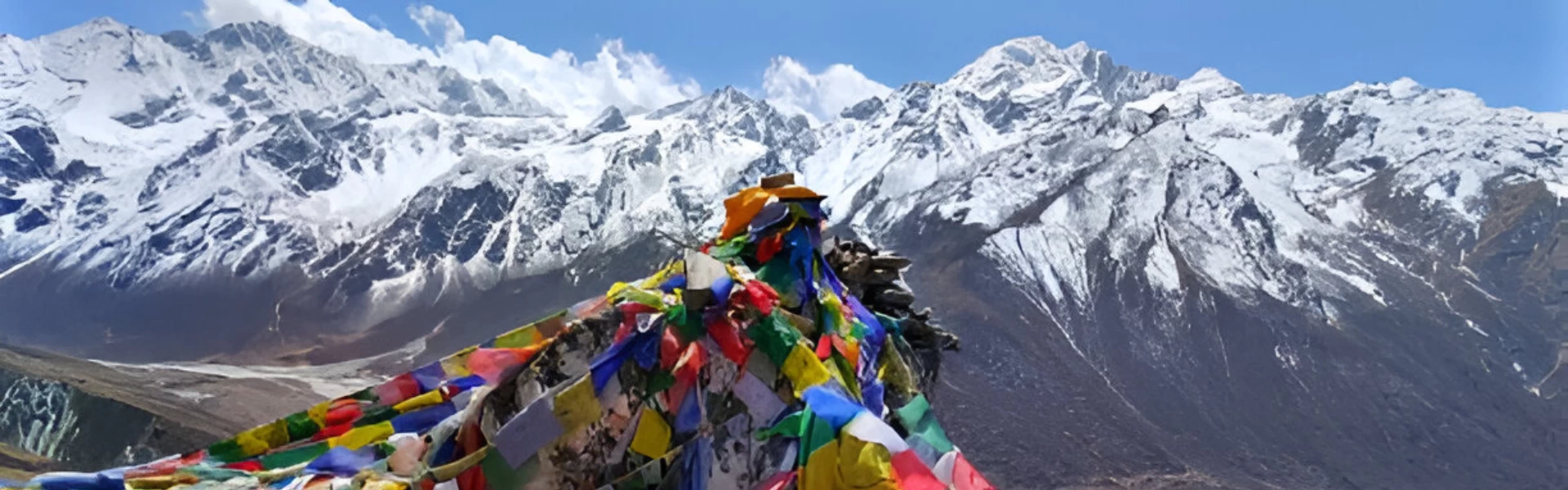
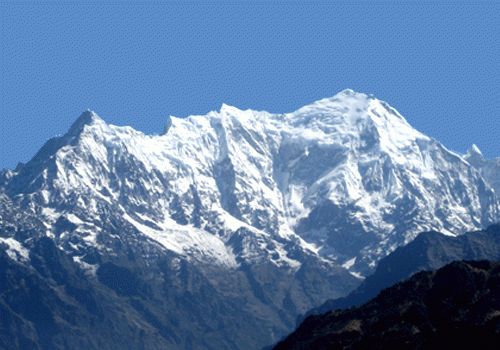
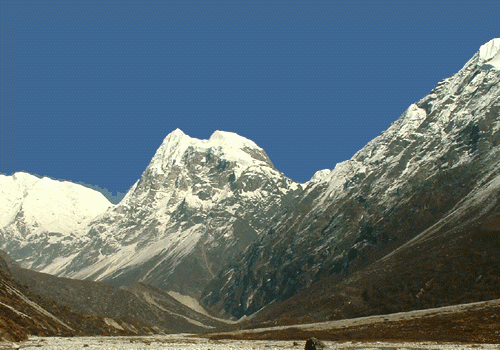
The Langtang Himalayan range runs along the Nepal-Tibet border, beginning where the Kathmandu Valley ends. The landscape shifts from dense subtropical jungle at Syabrubesi — where the trail starts — through rhododendron and oak forests, alongside rivers and waterfalls, past herders with their yaks on high pastures, to views of Langtang Lirung at 7,234 metres and the surrounding peaks.
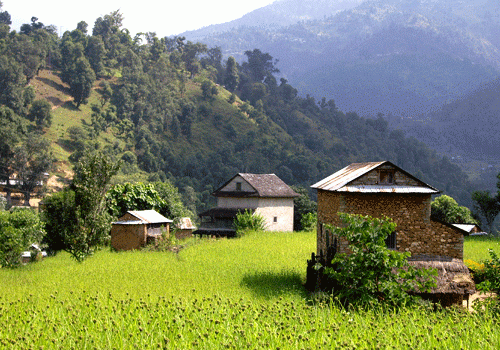
The cultural character is distinct from the Everest and Annapurna regions. The Tamang people, who have their origins across the border in Tibet, have maintained their traditions, their Tibetan Buddhist practice, and their way of life in these valleys with remarkable continuity. Walking the Tamang Heritage Trail is an immersion in a living culture rather than an encounter with a tourism economy.
The story of the Langtang Valley
In April 2015, a massive earthquake triggered an avalanche that swept the entire Langtang Valley village from the map. Hundreds of people died. The destruction was complete.
The valley is back. The trail is clean, safe, and open. The lodges are rebuilt. The people who survived chose to return and rebuild rather than leave. That decision — to stay in their mountains rather than seek an easier life elsewhere — is one of the most quietly extraordinary things about the communities of this region.
Walking through Langtang Valley now is walking through a place that has been returned to the world by the people who refused to give it up. The views are not Manaslu. The feeling of being there, knowing what was lost and what was rebuilt, is something no other trail in Nepal gives you.
Trails in the Langtang region
Langtang Valley Trek 7-10 days — the most accessible serious Himalayan trek in Nepal. Starts from Syabrubesi, follows the Langtang river through forests and herder settlements, and reaches Kyanjin Gompa at 3,817 metres. Excellent for first-time high-altitude trekkers and those with limited time.
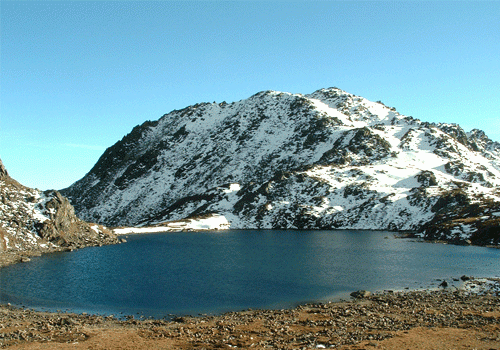
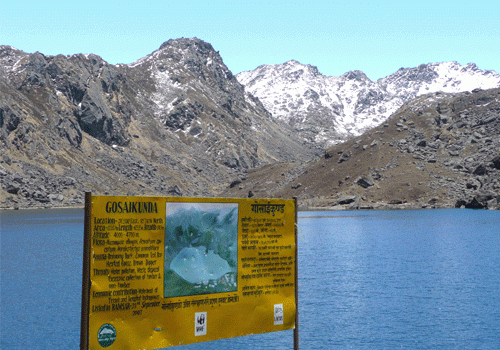
Langtang Gosaikunda Trek 10-15 days — combines the valley trek with the sacred Gosaikunda lake at 4,380 metres, a pilgrimage site of enormous significance for Hindus and Buddhists. The combined route offers more altitude, more landscape variety, and a connection to Nepal's religious geography.
Tamang Heritage Trail — a cultural immersion route linking Tamang villages through the hills north of Kathmandu. Homestay accommodation, local food, and direct contact with community life. The least touristed major trail in the Langtang region and one of the most rewarding for culturally curious trekkers.
Helambu Trek 10 days — a lower altitude circuit through the Sherpa communities of the Helambu region, north of Kathmandu. Gentle terrain, rich culture, excellent for trekkers who want a Himalayan experience without high altitude.
Who is Langtang right for
Langtang suits trekkers who want genuine mountain scenery and cultural depth without Everest crowds. It is the right choice if you have limited time — the proximity to Kathmandu means you lose less of your trip to travel. It is excellent for first-timers testing high altitude for the first time. And it is specifically the right choice for anyone who wants to understand something about resilience and the specific character of mountain communities that choose to stay.
Best time to trek in the Langtang region
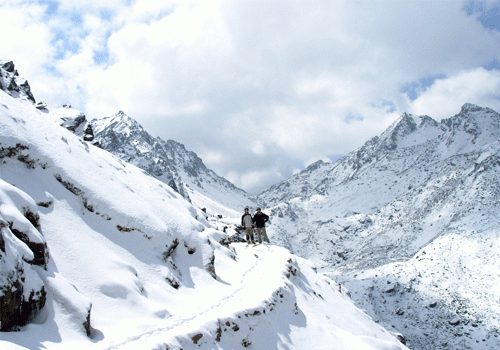
Spring (March to May) and autumn (September to November) are the primary seasons. The Langtang region is notably good in spring — the rhododendron forests at lower altitudes are spectacular, and the cultural calendar includes festivals that are rarely witnessed by outsiders. Winter closes the higher sections, but the Tamang Heritage Trail and Helambu remain accessible.
See all our Langtang region packages, or contact us for a custom itinerary.